Human IL4 protein, His tag (active)
Catalogue Number: GTX00093-PRO-GTX
GTX00093-PRO Image
GTX00093-PRO Image
GTX00093-PRO Image
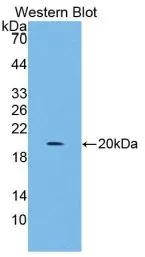
GTX00093-PRO Image
WB analysis of GTX00093-pro Human IL4 protein (active).
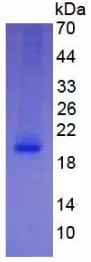
GTX00093-PRO Image
SDS-PAGE analysis of GTX00093-pro Human IL4 protein (active).
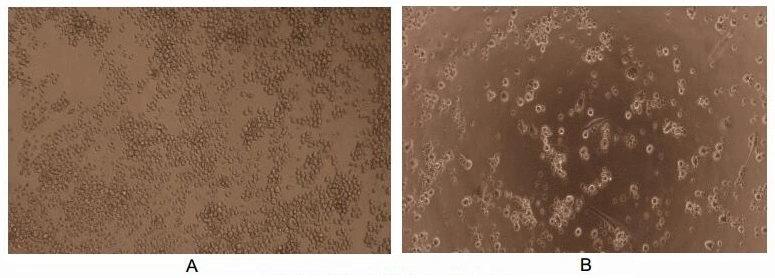
GTX00093-PRO Image
Cell differentiation effect of GTX00093-pro Human IL4 protein (active). (A) Unstimulated THP-1 cells cultured in RPMI-1640. (B) THP-1 cells cultured in RPMI-1640, stimulated with IL-4.
| Manufacturer: | GeneTex |
| Preservative: | ProClin™ 300 |
| Physical state: | Lyophilized |
| Type: | Interleukins |
| Alias: | interleukin 4 , BCGF-1 , BCGF1 , BSF-1 , BSF1 , IL-4 |
| Host Cell: | HEK293 cells |
| Shipping Condition: | Blue Ice |
| Unit(s): | 10 ug |
| Application: | FA |
Description
Description: The protein encoded by this gene is a pleiotropic cytokine produced by activated T cells. This cytokine is a ligand for interleukin 4 receptor. The interleukin 4 receptor also binds to IL13, which may contribute to many overlapping functions of this cytokine and IL13. STAT6, a signal transducer and activator of transcription, has been shown to play a central role in mediating the immune regulatory signal of this cytokine. This gene, IL3, IL5, IL13, and CSF2 form a cytokine gene cluster on chromosome 5q, with this gene particularly close to IL13. This gene, IL13 and IL5 are found to be regulated coordinately by several long-range regulatory elements in an over 120 kilobase range on the chromosome. Two alternatively spliced transcript variants of this gene encoding distinct isoforms have been reported. [provided by RefSeq, Jul 2008]
Additional Text
Gene Name
IL4
Uniprot ID
P05112
Gene ID
3565
Protein Tag
HIS Tag
Accession Number
NP_000580.1
Note
For laboratory use only. Not for any clinical, therapeutic, or diagnostic use in humans or animals. Not for animal or human consumption.
Application Notes
Interleukin 4 (IL4) is a cytokine that induces differentiation of naive helper T cells and monocyte. As reported, IL-4 would induce the differentiation of THP-1 cells into dendritic cells and macrophages in vitro. THP-1 cells were cultured in RPMI-1640 and stimulated with 2 ng/ml IL-4, after 12 days of stimulation, cell bodies enlarged with extending pseudopodia, and vesicular bodies appeared within the cells, which showed a morphological characteristics of dendritic cells and macrophages.
Storage Note
For short-term storage (1-2 weeks), store at 4C. For long-term storage, store at -20C or below. After reconstitution, keep as concentrated solution. Avoid freeze-thaw cycles.
 GTX00093-PRO Datasheet
SUPPORT
outstanding technical support

PRODUCT
we offer a full product guarantee

DELIVERY
we offer free delivery to UK universities and non profit organisations