Human EPO protein, His and GST tag (active)
Catalogue Number: GTX00422-PRO-GTX
GTX00422-PRO Image
GTX00422-PRO Image
GTX00422-PRO Image
GTX00422-PRO Image
GTX00422-PRO Image
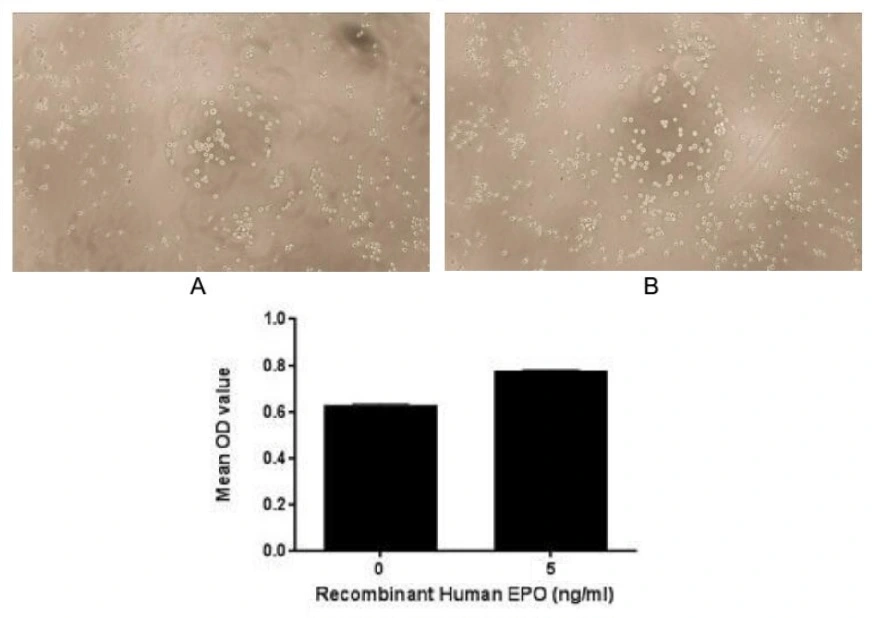
Cell proliferation effect of GTX00422-pro Human EPO protein (active), cell viability was measured by cell Counting Kit-8 (CCK-8). (A) Unstimulated TF-1 cells cultured in RPMI-1640 for 72hrs. (B) TF-1 cells cultured in RPMI-1640, stimulated with 5 ng/ml EPO for 72hrs.
GTX00422-PRO Image
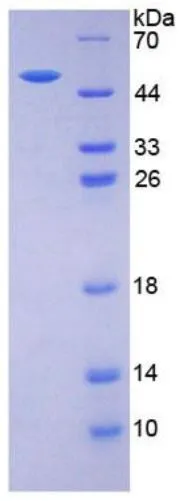
SDS-PAGE analysis of GTX00422-pro Human EPO protein (active).
GTX00422-PRO Image
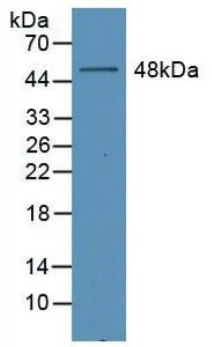
WB analysis of GTX00422-pro Human EPO protein (active).
GTX00422-PRO Image
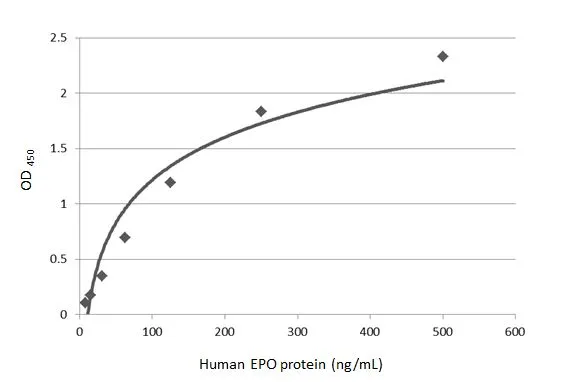
Indirect ELISA analysis was performed by coating the plate with recombinant E.coli expressed, full-length human EPO protein, His and GST tag (active) (GTX00422-pro) (500-7.81 ng/mL). Coated protein was probed with EPO antibody (GTX100813) (1 µg/mL). Goat anti-rabbit IgG antibody (HRP) (GTX213110-01) (1:10000) was used to detect the bound primary antibody.
| Manufacturer: | GeneTex |
| Preservative: | ProClin™ 300 |
| Physical state: | Lyophilized |
| Type: | Bioactive Proteins |
| Alias: | erythropoietin , DBAL , ECYT5 , EP , MVCD2 |
| Host Cell: | E.coli |
| Shipping Condition: | Blue Ice |
| Unit(s): | 10 ug |
| Application: | ELISA, FA |
Description
Description: This gene encodes a secreted, glycosylated cytokine composed of four alpha helical bundles. The encoded protein is mainly synthesized in the kidney, secreted into the blood plasma, and binds to the erythropoietin receptor to promote red blood cell production, or erythropoiesis, in the bone marrow. Expression of this gene is upregulated under hypoxic conditions, in turn leading to increased erythropoiesis and enhanced oxygen-carrying capacity of the blood. Expression of this gene has also been observed in brain and in the eye, and elevated expression levels have been observed in diabetic retinopathy and ocular hypertension. Recombinant forms of the encoded protein exhibit neuroprotective activity against a variety of potential brain injuries, as well as antiapoptotic functions in several tissue types, and have been used in the treatment of anemia and to enhance the efficacy of cancer therapies. [provided by RefSeq, Aug 2017]
Additional Text
Gene Name
EPO
Gene ID
2056
Uniprot ID
P01588
Accession Number
NP_000790.2
Protein Tag
GST Tag, HIS Tag
Note
For laboratory use only. Not for any clinical, therapeutic, or diagnostic use in humans or animals. Not for animal or human consumption.
Application Notes
Erythropoietin (EPO), also known as hematopoietin or hemopoietin, is a glycoprotein cytokine secreted by the kidney in response to cellular hypoxia; it stimulates red blood cell production (erythropoiesis) in the bone marrow. Erythropoietin is an essential hormone for red blood cell production. EPO can cooperate with various other growth factors involved in the development of erythroid lineage from multipotent progenitors. To test the effect of EPO on cell proliferation, TF-1 cells were seeded into triplicate wells of 96-well plates at a density of 5000 cells/well with 1% serum standard 1640 including various concentrations of recombinant human EPO. After incubated for 72h, cells were observed by inverted microscope and cell proliferation was measured by Cell Counting Kit-8 (CCK-8). Briefly, 10 µl of CCK-8 solution was added to each well of the plate, then the absorbance at 450nm was measured using a microplate reader after incubating the plate for 1-4 hours at 37C. Proliferation of TF-1 cells after incubation with EPO for 72h observed by inverted microscope, and cell viability was assessed by CCK-8 (Cell Counting Kit-8 ) assay after incubation with recombinant EPO for 72h. EPO significantly increased cell viability of TF-1 cells.
Storage Note
For short-term storage (1-2 weeks), store at 4C. For long-term storage, store at -20C or below. After reconstitution, keep as concentrated solution. Avoid freeze-thaw cycles.
 GTX00422-PRO Datasheet
SUPPORT
outstanding technical support

PRODUCT
we offer a full product guarantee

DELIVERY
we offer free delivery to UK universities and non profit organisations