Glucokinase antibody, N-term
Catalogue Number: GTX59598-GTX
GTX59598 Image
GTX59598 Image
GTX59598 Image
GTX59598 Image
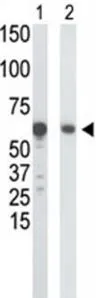
WB analysis of HepG2 cell lysate (Lane 1) and mouse liver tissue lysate (Lane 2) using GTX59598 Glucokinase antibody, N-term.
GTX59598 Image
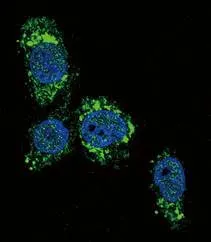
ICC/IF analysis of HepG2 cells using GTX59598 Glucokinase antibody, N-term. Green : Primary antibody Blue : DAPI
GTX59598 Image
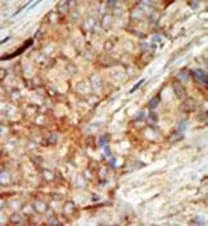
IHC-P analysis of human breast cancer tissue using Glucokinase antibody, N-term.
| Manufacturer: | GeneTex |
| Preservative: | 0.09% sodium azide |
| Molecular Weight: | 52 |
| Physical state: | Liquid |
| Type: | Polyclonal Primary Antibody - Unconjugated |
| Alias: | glucokinase , FGQTL3 , GK , GLK , HHF3 , HK4 , HKIV , HXKP , LGLK , MODY2 |
| Shipping Condition: | Blue Ice |
| Unit(s): | 50 ug |
| Host name: | Rabbit |
| Clone: | |
| Isotype: | IgG |
| Immunogen: | Synthetic peptide selected from the N-terminal region of human GCK |
| Application: | ELISA, FC, ICC, IF, IHC-P, WB, IHC |
Description
Description: This gene encodes a member of the hexokinase family of proteins. Hexokinases phosphorylate glucose to produce glucose-6-phosphate, the first step in most glucose metabolism pathways. In contrast to other forms of hexokinase, this enzyme is not inhibited by its product glucose-6-phosphate but remains active while glucose is abundant. The use of multiple promoters and alternative splicing of this gene result in distinct protein isoforms that exhibit tissue-specific expression in the pancreas and liver. In the pancreas, this enzyme plays a role in glucose-stimulated insulin secretion, while in the liver, this enzyme is important in glucose uptake and conversion to glycogen. Mutations in this gene that alter enzyme activity have been associated with multiple types of diabetes and hyperinsulinemic hypoglycemia. [provided by RefSeq, Aug 2017]
Additional Text
Gene Name
GCK
Gene ID
2645
Uniprot ID
P35557
Concentration
0.25 mg/ml
Purification
Affinity Purified
Molecular Weight
52
Antibody Clonality
Polyclonal
Note
For In vitro laboratory use only. Not for any clinical, therapeutic, or diagnostic use in humans or animals. Not for animal or human consumption
Application Notes
WB: 0.5-2.5 µg/ml. ELISA: 0.25 µg/ml. IHC: 2.5-5.0 µg/ml. *Optimal dilutions/concentrations should be determined by the researcher.Not tested in other applications.
Storage Note
Store as concentrated solution. Centrifuge briefly prior to opening vial. For short-term storage (1-2 weeks), store at 4C. For long-term storage, aliquot and store at -20C or below. Avoid multiple freeze-thaw cycles.
 GTX59598 Datasheet
SUPPORT
outstanding technical support

PRODUCT
we offer a full product guarantee

DELIVERY
we offer free delivery to UK universities and non profit organisations