CD59 antibody [YTH53.1]
Catalogue Number: GTX76425-GTX
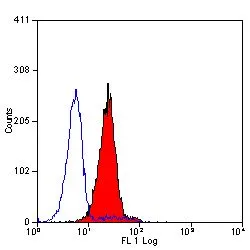
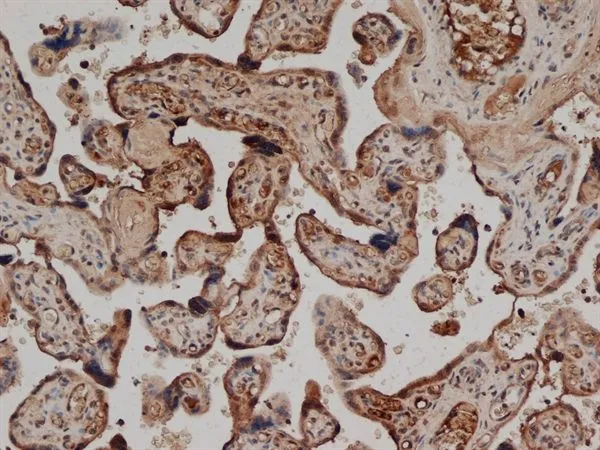
| Manufacturer: | GeneTex |
| Preservative: | 0.09% sodium azide |
| Molecular Weight: | 14 |
| Physical state: | Liquid |
| Type: | Monoclonal Primary Antibody - Unconjugated |
| Alias: | CD59 molecule (CD59 blood group) , 16.3A5 , 1F5 , EJ16 , EJ30 , EL32 , G344 , HRF-20 , HRF20 , MAC-IP , MACIF , MEM43 , MIC11 , MIN1 , MIN2 , MIN3 , MIRL , MSK21 , p18-20 |
| Shipping Condition: | Blue Ice |
| Unit(s): | 100 ug |
| Host name: | Rat |
| Clone: | YTH53.1 |
| Isotype: | IgG2b |
| Immunogen: | Human Peripheral Blood T cells. |
| Application: | FC, ICC, IF, IHC-P, WB, IHC-Fr, NT, Blk, Inh |
Description
Description: This gene encodes a cell surface glycoprotein that regulates complement-mediated cell lysis, and it is involved in lymphocyte signal transduction. This protein is a potent inhibitor of the complement membrane attack complex, whereby it binds complement C8 and/or C9 during the assembly of this complex, thereby inhibiting the incorporation of multiple copies of C9 into the complex, which is necessary for osmolytic pore formation. This protein also plays a role in signal transduction pathways in the activation of T cells. Mutations in this gene cause CD59 deficiency, a disease resulting in hemolytic anemia and thrombosis, and which causes cerebral infarction. Multiple alternatively spliced transcript variants, which encode the same protein, have been identified for this gene. [provided by RefSeq, Jul 2008]
Additional Text
Gene Name
CD59
Gene ID
966
Uniprot ID
P13987
Purification
Protein G purified
Antibody Clonality
Monoclonal
Note
For In vitro laboratory use only. Not for any clinical, therapeutic, or diagnostic use in humans or animals. Not for animal or human consumption
Molecular Weight
14
Concentration
1 mg/ml
Storage Note
Store as concentrated solution. Centrifuge briefly prior to opening vial. For short-term storage (1-2 weeks), store at 4C. For long-term storage, aliquot and store at -20C or below. Avoid multiple freeze-thaw cycles.
Application Notes
IHC-P: 1/5-1/10. FCM: 1/50-1/100. Neutralizing/Inhibition: . *Optimal dilutions/concentrations should be determined by the researcher.Not tested in other applications.
 GTX76425 Datasheet
SUPPORT
outstanding technical support

PRODUCT
we offer a full product guarantee

DELIVERY
we offer free delivery to UK universities and non profit organisations