FuGENE® HD Transfection Reagent
Catalogue Number: HD-1000-FUG
HD-1000
HD-1000 Image 2
HD-1000 Superior Transfection Performance FuGENE® HD vs Lipofectamine® 3000

HD-1000 Image 4

HD-1000 Image

HD-1000 Image 3
HD-1000
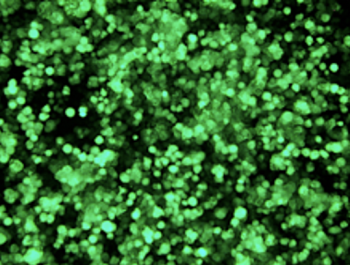
COS-7 Cell Line Transfected with FuGENE® HD & GFP Plasmid
HD-1000 Image 2
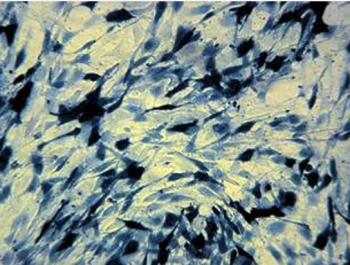
HEK293 Cell Line Transfected with FuGENE® HD (X-Gal Stain)
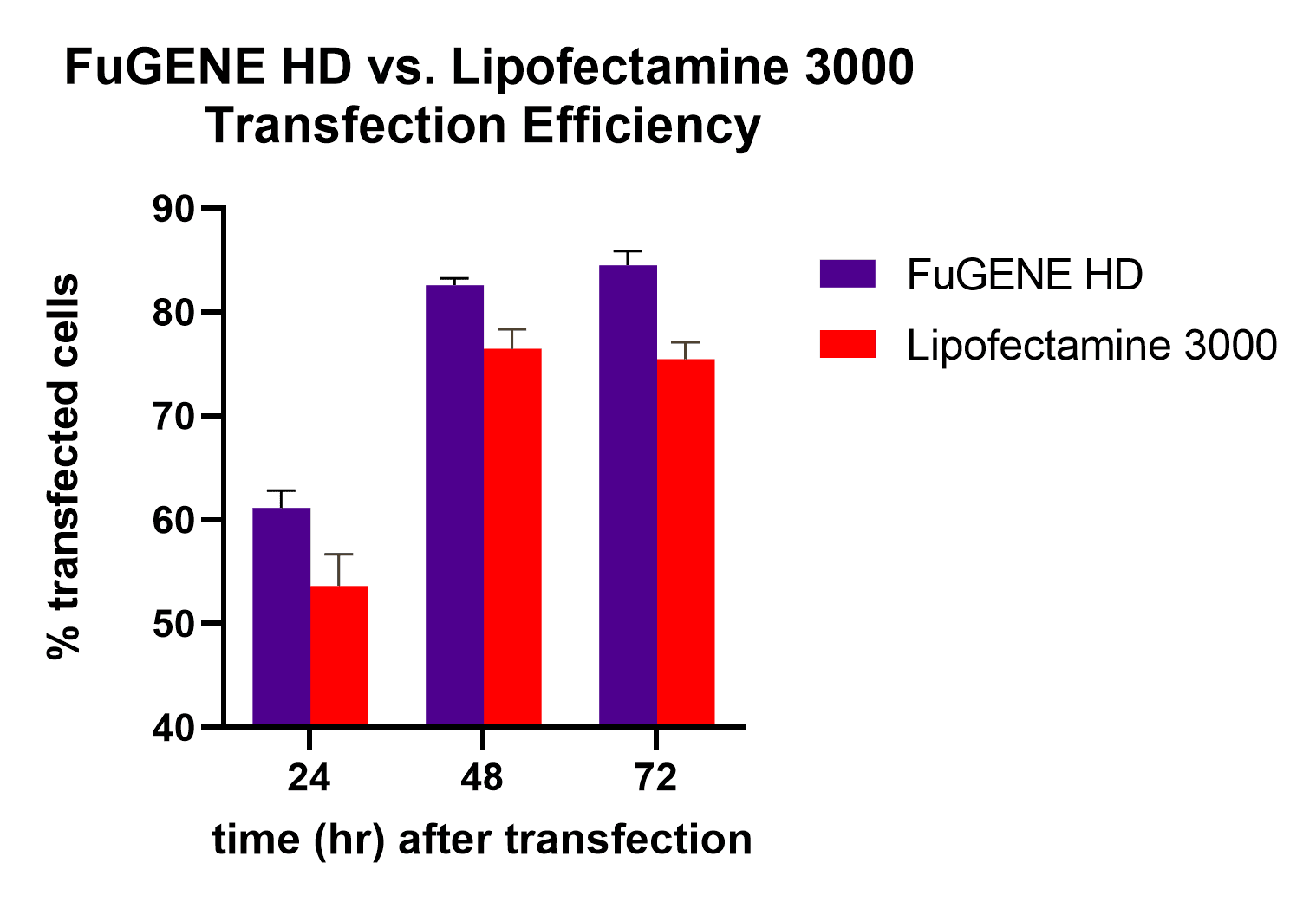
HD-1000 Superior Transfection Performance FuGENE® HD vs Lipofectamine® 3000
HCT116 Cells were seeded in 96-well plates according to user guides and subsequently transfected with FuGENE® HD or Lipofectamine® 3000 (registered trademark of Life Technologies Corporation)+ GFP expressing plasmid at recommended 3:1 ratios. Cells were then analyzed via flow cytometry at 24, 48, and 72 hours post-transfection to measure +GFP expressing cells and total cell viability (propidium iodide). Graphs above show the superior performance of FuGENE® HD vs. Lipofectamine® 3000 in HCT116 cells.
HD-1000 Image 4
Easy Optimization for High Performance Transfection A549, COS7, HCT116, HEK293, and HeLa cells were seeded in 96-well plates according to users guide and subsequently transfected with FuGENE® HD Reagent & GFP expressing plasmid at various FuGENE® HD to Total DNA ratios. Cells were then analyzed after 24 hours for transfection efficiency utilizing flow cytometry. Data for normalized GFP expression is plotted in the graph to left highlighting the best FuGENE® HD to DNA ratio for each cell line tested.
HD-1000 Image
HD-1000 Image 3
HEK-293T Viral Production Cell Line Transfected with FuGENE® HD & RFP Plasmid
| Manufacturer: | Fugene |
| Shelf Life: | 4 years |
| Type: | Transfection Reagents and Kit |
| Shipping Condition: | RT |
| Storage Condition: | 4°C |
| Unit(s): | 1 ml |
Description
Description: FuGENE® HD is a 100% synthetic, multi-component, non-liposomal transfection reagent designed for the delivery of DNA into more challenging eukaryotic and insect cell lines. FuGENE® HD interacts with nucleic acids the cell’s membrane to provide efficient and safe entry into the cell. This mechanism allows users to overcome barriers in difficult-to-transfect lines such as primary cells, stem cells, and suspension cells, and has successfully been used to transfect over 1000 cell lines. With a protocol that is simple and easy-to-use, FuGENE® HD allows researchers and scientists to free up valuable lab time.FuGENE® HD Transfection Reagent is a multi-component reagent that forms a complex with DNA, then transports it into animal orinsect cells. Benefits of FuGENE® HD Reagent include:High transfection efficiency in many common cell types and difficult-to-transfect cell lines, including HeLa, NIH 3T3, COS-1,COS-7, and CHO-K1, HepG2, HEK-293, MCF7, and insect lines. For a list of 1000 cell types that have been successfully transfected with FuGENE® HD Reagent, please contact us.Demonstrates virtually no cytotoxicity, allowing you to work with fewer cells, and eliminates the requirement to changemedia after the addition of transfection complexSuitable for transient and stable-transfectionFunctions exceptionally well in the presence or absence of serum; eliminates the need to change mediaBenefits of FuGENE® HD:Avoid time-consuming optimization procedures by relying on high transfection efficiency proven in more than 1000 cell types, including many “hard-to-transfect cells.Minimal to No ToxicityTransfect in serum-free or serum-containing media.Save time and effort by eliminating multiple handling steps. Simply dilute FuGENE® HD, incubate it with plasmid DNA, and pipet the mixture directly onto your cells.Use less reagent per transfection than competitor reagents.Key ApplicationsVirus Protein ProductionGene ExpressionCellular AnalysisCancer ResearchDifficult-to-Transfect CellsStable Cell Production
 HD-1000 Manual
SUPPORT
outstanding technical support

PRODUCT
we offer a full product guarantee

DELIVERY
we offer free delivery to UK universities and non profit organisations